
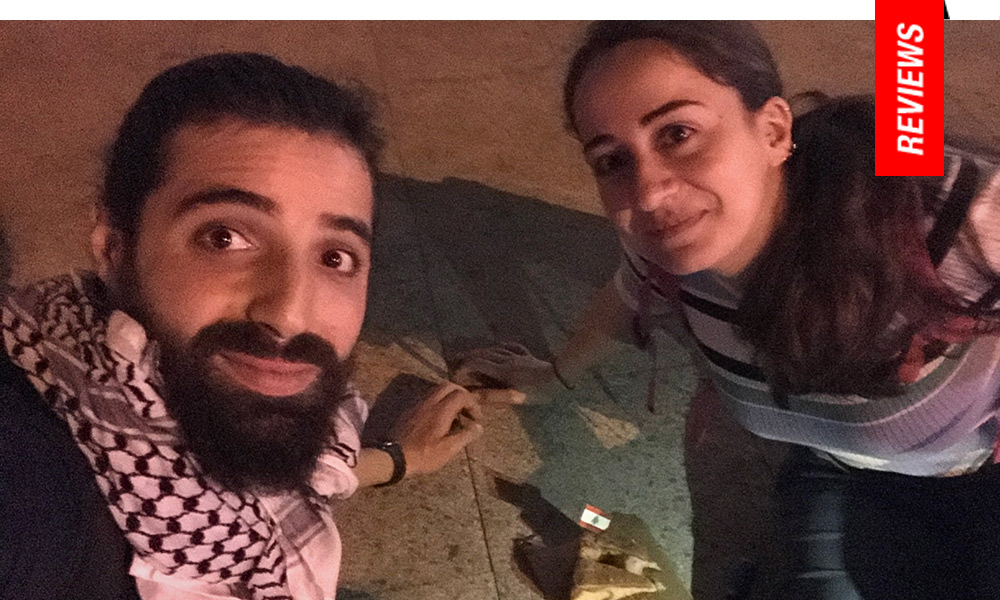
Soaringly Bittersweet: Boulos & Alkader Habak Fall in Love Amidst their Homeland’s Turmoil
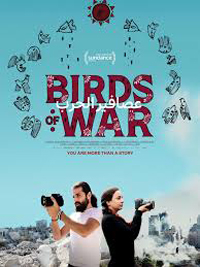

Using mostly self filmed phone footage we begin with Boulos covering breaking stories from Arab-speaking nations at the BBC. She lives in London but feels a sense of disconnect when so much destruction is happening in the region closer to her native homeland. She is put in phone contact with Alkder Habak who is using his camera to film the atrocities and bombings in Aleppo — it is those images that everyone relied on for context after Syria banned outside journalists. The timeline here covers just over a dozen years from 2011 until 2024 as text exchanges are seen on screen to establish how far back their connections spans. Those first few interactions between the two are more businesslike yet a glimmer of emotion persists beneath the surface.
While Boulos isn’t in any direct danger in London (despite what some political pirates in modern Britain would want you to believe) Alkder Habak is under constant threat of imminent death. There are some truly unfathomable moments early on such as when a bomb explodes metres away from him with the curdled screams of the injured offering the bleak reality of Aleppo. He visits a hospital inundated with victims that looks like a dusty morgue, doctors overworked in an impossible situation. He is traumatized by what he sees but is also admirably strong of spirit, so honed in on helping people that he doesn’t mind if he gets caught in the crossfire, and it is in such moments where we witness a connection being made — a bond through an awareness of injustice that ultimately brings them closer together.
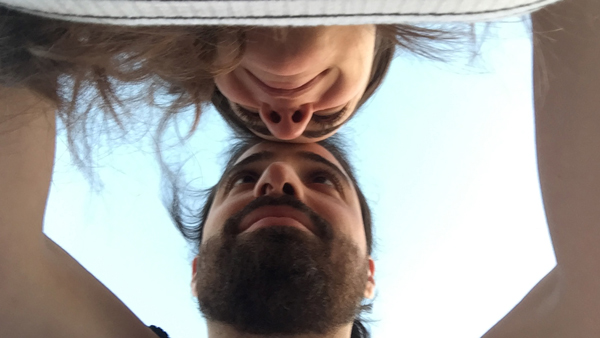

After periods of sporadic contact, they begin to miss one another whenever the messages stop. They start calling each other “bird,” a term of endearment that often closes their texts as “my little bird” or simply “bird.” What begins as a tender nickname comes to carry deeper meaning, reflecting a shared longing for freedom in Syria and peace in Lebanon. Amid the surrounding chaos, their connection deepens into genuine love, and the need to be together becomes undeniable.
When the film shifts its attention away from this romance, the narrative can occasionally feel slightly unfocused. Yet when the couple are finally reunited after a long stretch without contact, the moment is both moving and deeply satisfying — a rare pocket of hope within the turmoil. Still, their desire for change keeps them from ever standing still, particularly as Lebanon descends into mounting social unrest, economic collapse, and renewed conflict with Israel from 2022 onward, where Boulos’s family continues to reside. She feels compelled to return and protest, but this time the difference — one many can relate to — is that she will no longer face it alone: someone will follow her, stand beside her, and support her through it all, no matter how difficult it becomes.
Technically speaking, the docu is mostly a guerilla-style affair which adds to the immediacy making for an oeuvre that is more of a grounded, raw portrayal of war and peace with a visual tone that is unvarnished, sometimes a chore even in its relatively economic runtime. Film editor Will Hewitt’s hand is remarkably sleek, especially with some of the more impressive matches on action it adds an element of creativity evident in the direction. With a unique perspective that both uplifts and devastates, Birds of War is a stirring portrait with its head on its shoulders and its heart firmly in the right place.
Reviewed on January 26th – 2026 Sundance Film Festival (41st edition) – World Cinema Documentary Competition section. 85 mins.
★★★½/☆☆☆☆☆