
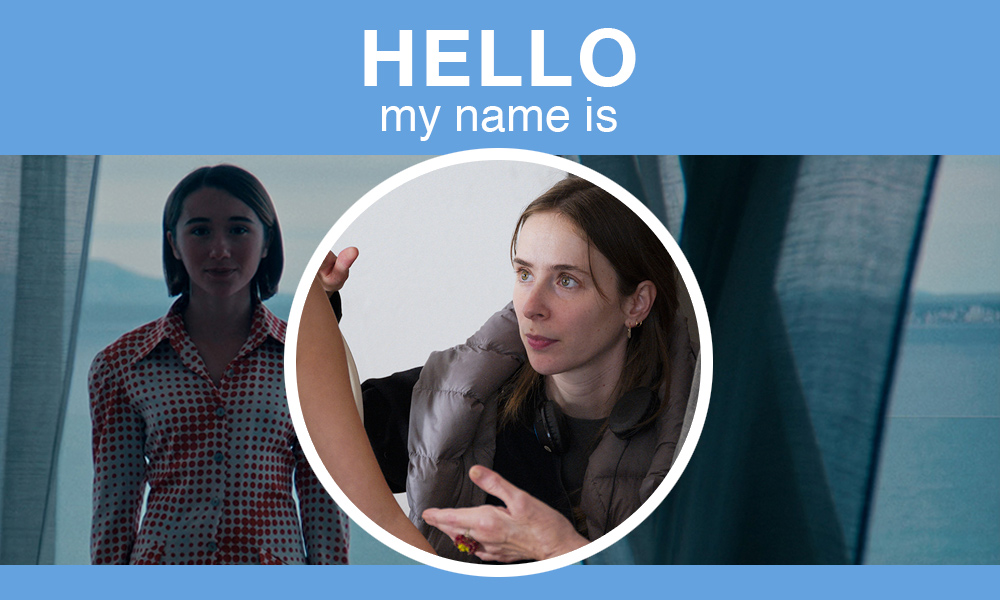
IONCINEMA.com’s IONCINEPHILE of the Month highlights an emerging talent in cinema. This month, we spotlight Spanish filmmaker Lucia Aleñar Iglesias, whose directorial debut, Forastera, had its world premiere in the Discovery section of the 2025 Toronto International Film Festival, where it won the FIPRESCI Prize. On two occasions we had the chance to speak with the filmmaker — watch our TIFF interview and our follow up Marrakech Film Festival interview. Forastera opens theatrically on Friday, May 29th via the folks at Grasshopper Film. Click for more details. And make sure to check out Part 2 of our profile – with Lucia Aleñar Iglesias’ Top Ten Films of All Time list.
Lucia Aleñar Iglesias

Eric Lavallée: During your childhood, what films were important to you?
Lucia Aleñar Iglesias: My first memory of films is with The Lion King (1994). I had a period where I watched that film every single day. It was probably the first movie that gripped me that I wanted to understand. I loved going into the world, but I think I was also so shocked and so moved by the tragedy in the story and Simba’s journey. The other strong childhood memory I have tied to film is of my mother and I going to see the Lord of the Rings films in theaters. Going to see those movies felt like attending important events.

Lavallée: During your formative years what films and filmmakers inspired you?
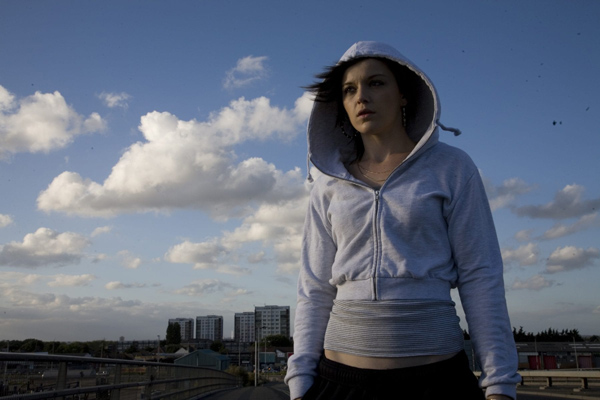
Iglesias: I remember Andrea Arnold’s Fish Tank (2009) having a great impact on me as a teenager. There is an energy to her films, a closeness with her characters that I had never seen before that really opened my eyes to directing. I also remember seeing Victor Erice’s films for the first time. The Spirit of the Beehive was completely captivating, an example of how important cinema is for preserving culture and history.
Lavallée: At what point did you know you wanted to be involved in film? Discuss that point you made that first step…
Iglesias: My love of cinema came into focus in my adult life. I wasn’t particularly obsessed with movies growing up, to be honest. I wasn’t making them either. For me, it stems from a curiosity for people. Since I can remember, I was always observing other kids and the adults around me, curious to understand the characters in my life.
Lavallée: When you watch a film in the movie theatre – where do you sit?
Iglesias: I like to be in the middle. Not too close, not too far. And centered, obviously.
Lavallée: For Forastera, what non-cinema elements did you draw upon for the look/style, aesthetics of the film?
Iglesias: This is a film that is partially inspired by a place and a season. I wanted to depict a Mallorca that felt true to my memories and experiences of having visited family there over my summers, but that also heightened and accentuated certain elements in support of those sensory experiences. We borrowed a lot from this beautiful place to create the world that Cata inhabits– but also worked to make it unique to this story.
Lavallée: As we know, in cinema there are happy accidents in cinema – something unplanned becomes part of the film’s fabric. Could you describe a specific moment, a scene while filming that fused itself.
Iglesias: I never could’ve imagined stumbling into a house with a glass railing like we did. I knew I wanted to find a house that had views of the sea, that was definitely written into the script, but the views we found were so much better. The sea took on an entirely new shape and meaning in the film from that moment on. We designed a house that had character, and its backdrop was fortunately just as enveloping.

Iglesias: When Paola and I first started editing Forastera, I didn’t speak any Italian and she didn’t speak any Spanish, but somehow we found a common language through the work of editing and sculpting this film. At first, I was nervous about working with someone who didn’t speak the language of the film, but after all, I don’t really speak Catalan either and that never stopped me from directing the film. So it was actually quite fitting to the project to bring someone like her in. Paola was wonderful, so precise, so caring and collaborative with me. She was instrumental in finding the rhythm of this film, in prioritizing Cata’s emotional journey.
Lavallée: Can you discuss the collaborative process you had with the Sound Design team of Ulrika Akander, Tove Lidman and Therese Gylfe?
Iglesias: I learned so much from this team of women. They came into every meeting with so many great ideas, with so much passion for their work and drive to elevate the film. I distinctly remember a moment during the process when they pitched that we allow the ghostly, luminous light that wanders through the house to coax sound effects out of what it passed over rather than for the light to have a distinct sound itself. It was brilliant, so simple, but so moving.
Lavallée: Can you discuss the collaborative process you had with your Script Supervisor Natalia Vicente?
Iglesias: I hadn’t worked with Natalia until this film, but she very quickly became an indispensable presence for me on set. From attending rehearsals to keeping track of every little detail, every note, any thought I had while we were filming; she was so important in allowing me to focus on the actors and what we were shooting in the moment.
Head on over to Part 2: Lucia Aleñar Iglesias’ top ten films of all time (as of May 2026).