
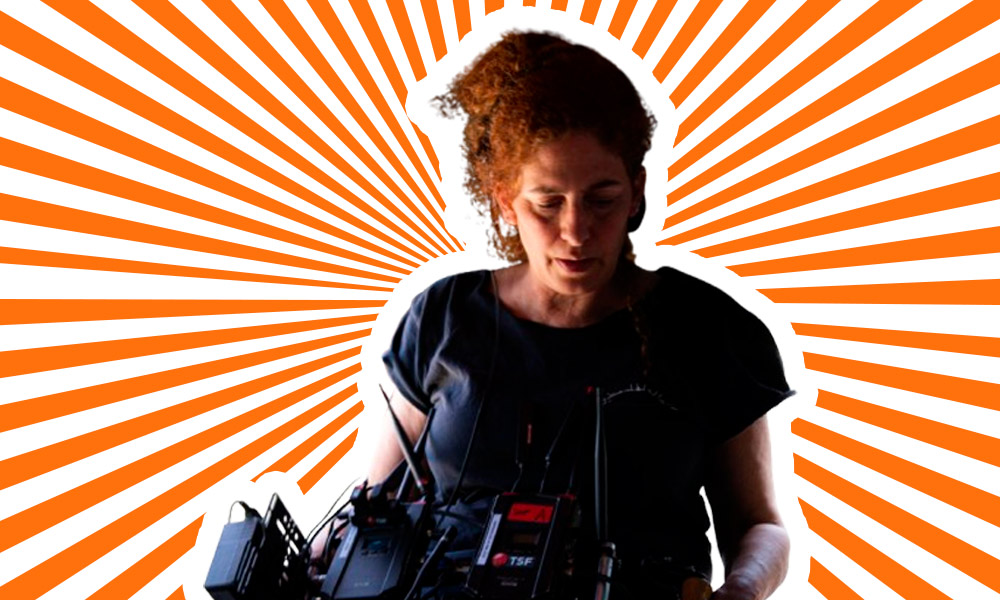
With her sweeping and ambitious fourth feature, Palestine 36, Annemarie Jacir gives emotional weight to the history books, excavating the roots of nearly a century of loss, injustice, and colonial brutality. Through interwoven stories of villagers, laborers, and intellectuals, she crafts a richly human portrait of resistance, identity, home, and displacement—revealing how the long shadow of the 1936–1939 uprising continues to shape Palestinian life today. As in Salt of This Sea (2008), When I Saw You (2012), and Wajib (2017), Jacir grounds political upheaval in personal histories and lived realities, but here she pushes further back into the past to show how inseparable contemporary Palestinian experience is from this earlier moment. The result is both a culmination and a deepening of her cinematic concerns: a reclamation of memory and a powerful mapping of the continuum between colonial dispossession and the present day.
At the 2025 Doha Film Festival I got to chat with Jacir — we touched upon interweaving this film with archival footage, about building a narrative with many parallel stories and what actor Saleh Bakri contributes to her cinema. Watermelon Pictures release the film in NYC this Friday.
