
Corporate Cannibals: Blondé Underwhelms with Ethical Reckoning
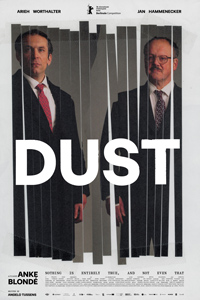

Luc (Hammenecker) and Geert (Worthalter) are successful Belgian businessmen working with presenting cutting edge technology in the spring of 1999. However, evidence of their vast network of illegal shell companies has come to light, and their dirty deeds are scheduled to be published in the next thirty-six hours. An emergency board meeting is called. While their resignations will be accepted, it would be seen as a sure sign of guilt. And so, in less than two days, it is decided Luc and Geert will show up for work at nine a.m. on Monday and turn themselves over to the authorities waiting for them in unmarked cars. The friends and confidantes go through separate ways, deciding for themselves how to wrap up loose ends.
The main point of Angelo Tijssens’ script seems to be to juxtapose an innate difference between Geert and Luc, suggesting one or both might not actually show up at the fated hour for their impending arrests. The idea is briefly toyed with (for who wouldn’t consider the benefit of absconding?) but it’s increasingly clear that they are both going to make painstaking goodbyes and wring their hands about potentially making their situation worse by alerting confidantes about bailing out of their stock at the last minute, and thus, be accused of insider trading. By default, Worthalter’s Geert is more appealing, a vivacious salesman with a winning personality who has other dirty little secrets (such as an ongoing affair with his much younger male chauffeur). Luc seems more like a wild card, and his impending absence (briefly) recalls Andrea Pallaoro’s exceptional Hannah (2017), at least in how we can extrapolate a future for his wife (who seems to know a lot more about what’s going on than we might expect). A handful of notables pop up in the supporting cast, such as Jan Bijvoet and Fabrizio Rongione – but not to make a lasting impression.
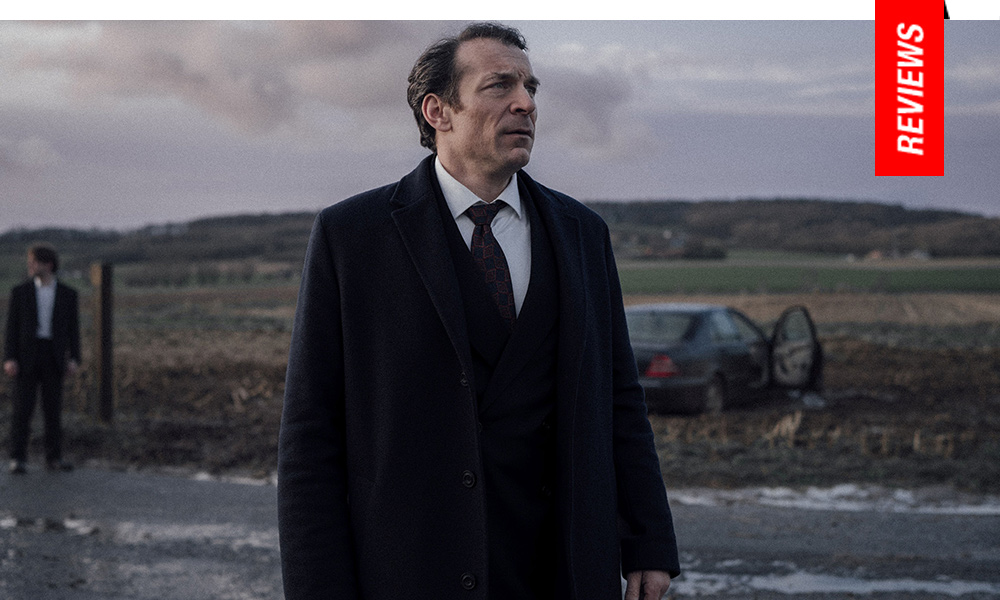
This dark night of their souls spins around in circles as they navigate final interactions, and Blondé seems mostly interested in minor karmic complications, such as Luc’s car getting stuck in the mud on his last commute, forcing him to trudge the muddy moors to his fate. It’s unclear what the whole point is supposed to be, considering we’re giving details about the talk-to-text technology they’re honing at the turn-of-the-century while we also spend a lot of time where they’re burning endless physical evidence. Are they trailblazers with the misfortune of straddling a marked technological divide? It would seem their goose is already cooked based on the overt confidence of a lone journalist (Anthony Walsh) trailing them as imperiously as if he’s a corporate personification of Death from The Seventh Seal (1957). But what are we supposed to feel? The finality of the title as it drifts over a painted portrait of the ruined duo suggests that, if all we are is dust in the wind, couldn’t the original parent particles have been more interesting subjects facing obliteration?
Reviewed on February 14th at the 2026 Berlin International Film Festival (76th edition) – Main Competition. 115 mins.
★★/☆☆☆☆☆