
How to Beat the High Cost of Fascism: Çatak Flounders in Blaring Treatise
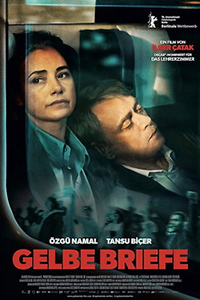

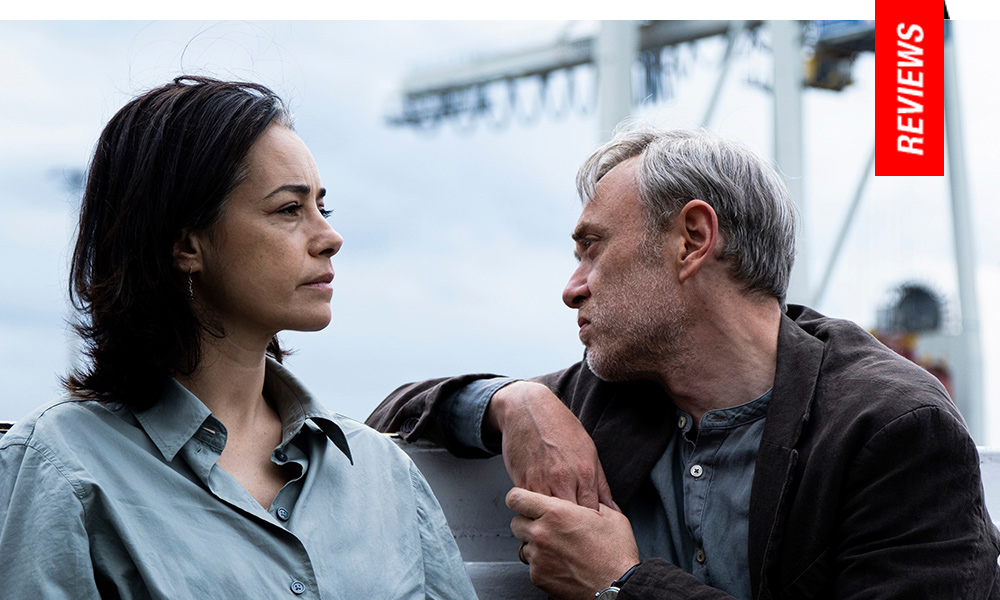
Derya (Özgü Namal) and Aziz (Tansu Biçer) are something of a power couple in Ankara. She’s a major stage actress who’s just performed the hell out of her husband’s latest play. While Aziz mainly works as a professor, he’s made a notable name for himself with his agitprop theatrical productions. Together, they share a beautiful life together, rearing their teen daughter Ezgi (Leyla Smyrna Cabas). But on the night of the play, Derya doesn’t greet the governor, who attended the performance, with the rest of the cast. The next day, during demonstrations opposing the government, Aziz advises his class to leave and be socially engaged. But then both Derya and Aziz receive catastrophic news—the play has been canceled and Aziz, along with other like-minded staff members, have been terminated. Even worse, Aziz has been charged with a crime which could land him in prison for four years. When the police start harassing their landlord, they’re forced to move to Istanbul with Aziz’s mother. And slowly, these trials and travails start to erode the family’s solidarity.
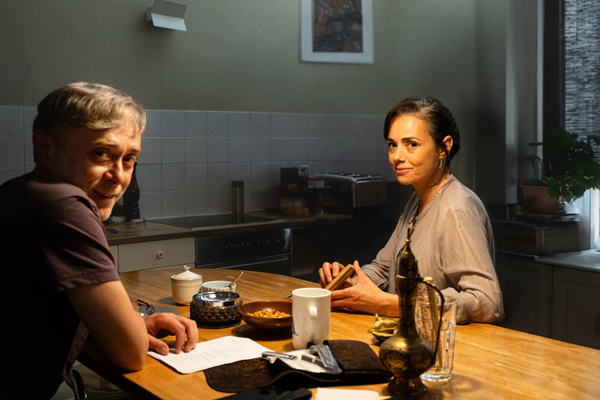

What really bogs down Yellow Letters is a tonal repetitiveness which feels unrelenting. Derya and Aziz feel more like one-dimensional characters from a soap box play themselves, so the constant fixation on rehearsal time for a play (also called Yellow Letters) at a small, local theater in Istanbul in the second half feels like an endless sermon which functions more as a testament and less like the subversive artistic diatribe it should. The dramatic stakes, considering the circumstances, also feel lethargic.
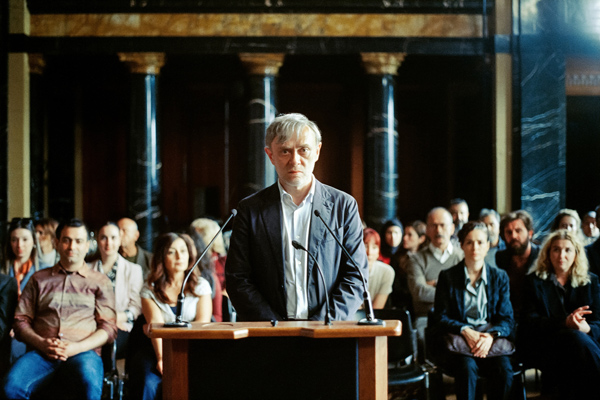
Aziz faces a possible prison sentence due to accusations of terrorist activity in the classroom, and while his day in kangaroo court feels like a charade, the couple doesn’t seem to acknowledge what to do if the worst might happen. Instead, we get countless scenes of Aziz slamming his laptop shut, the family more dismayed at having to share a small apartment with his insistently cheerful and somewhat nosy mother. Sobering, realistic moments are few and far between, such as an acknowledgment that “Getting through the day can’t be a dream,” to describe their current day-to-day life in exile. They receive peripheral criticism for the privilege they’d enjoyed despite already well-established sanctions by the government, and yet, despite all of the time consuming conversations in the film, are never led to converse about how their own comfort conveniently excluded them from taking too much of a stand.
Third act histrionics arrive in the form of tacked on drama with teenager Ezgi, who, gasp, has started smoking cigarettes and runs away to her twenty-three-year-old boyfriend whenever her parents get too cranky at the flat. A hysterical showdown at the police station after she’s been missing for two hours is the direct evidence showcasing how Yellow Letters is completely out of sync with the heavily underlined message it delivers. While Derya and Aziz are each led to make specific, personal choices about how to keep their family afloat, such as Derya deleting political instagram posts so she can secure a role in a soap opera for a questionable television channel, their circumstances never lead them to have realistic conversations or expectations to find a way out.
A character such as Derya, whose refusal to take a picture with the governor caused their downfall, would likely be equally upset about being forced to appear in material she believes beneath her. What’s shocking is how rough hewn the characters and sentiments are in Yellow Letters considering Çatak’s laser sharp focus in The Teachers’ Lounge. With two hours plus running time, this is a scenario which should frighten, grab us by the throats, and cause the audience to sweat. Resistance to nationalism and fascism takes many shapes and forms—-but it helps no one when the very audience needing motivation is more apt to drift into mental autopilot with laborious characters.
Reviewed on February 13th at the 2026 Berlin International Film Festival (76th edition) – Main Competition. 128 mins.
★★/☆☆☆☆☆