
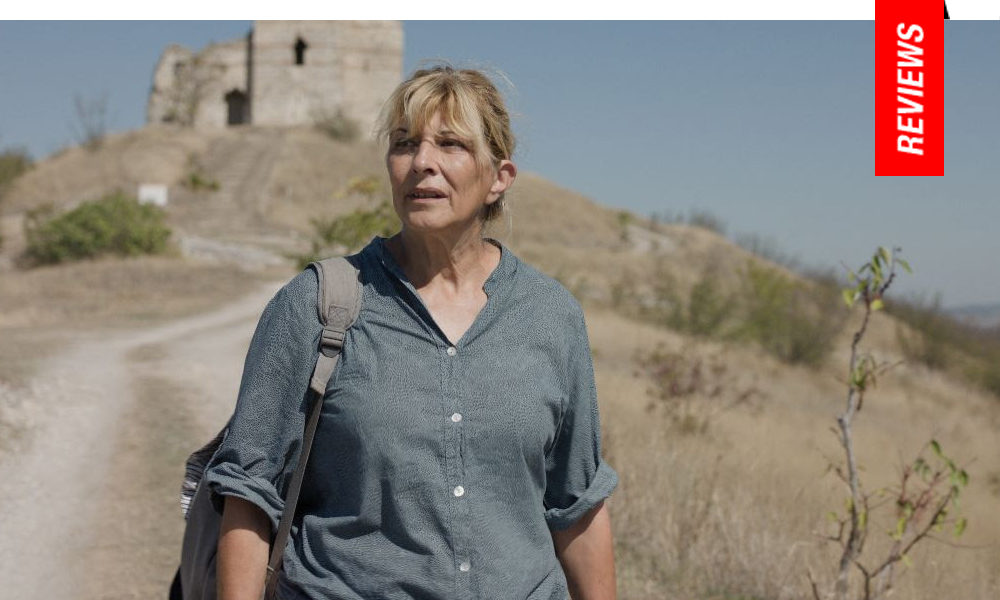
The Era of Men: Valeska Dredges the Darkness of the Past

Veska (Yana Radeva) is an archaeologist who works and lives in the border region between Bulgaria, Turkey, and Greece. A chance meeting with an old friend, Said (Syuleyman Alilov Letifo), whose car has been stolen, initially seems to be a sweet, unexpected reunion. But Said is involved with shady dealings between shifting power struggles between two rival crime lords in the vicinity. Suddenly, a simple favor puts Veska in danger, and gives her the ability to act as a mentor she never had as a youth.

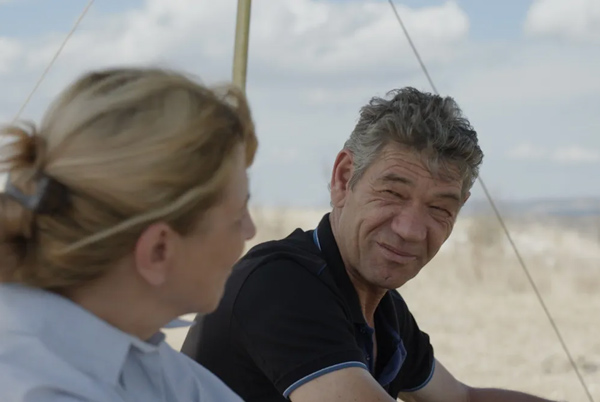
Grisebach has been developing her latest feature for several years, and her methodology is arguably evident because it’s a film which feels so painstaking it’s as if we’re watching a docudrama about Veska. Bulgaria remains the real zone of interest for Grisebach, specifically the town of Svilengrad, where Veska hails from. The dramatic catalyst for being forced to confront ghosts from her past, in a literal and figurative sense, arrives in the form of Syuleyman Alilov Letifo’s character Said, returning once more to work Griesbach after Western, a narrative which deals with some of the same motifs.

It’s difficult to get a read on Veska, the affable Yana Radeva making her debut, who mostly seems amused at the strange entanglements she finds herself thrust into. Her archaeological dig site is the starting point for her thematic journey into unearthing sentiments of the past, and for at least the first hour of the narrative, this might actually be cathartic as characters ruminate over unhappy memories, the significant identity politics which transpired during the ‘Bulgarisation’ of the past, where citizens underwent forced assimilation.
Grisebach takes her time as we follow Veska, engaged in various lengthy conversations, first with a group of women who rather bluntly muse over violent happenings of the past, where, in ‘an era of men’ women were often brutalized at local parties. Said asks Veska why women so willingly attended events where it was known sexual assault was likely to transpire. “They had a right to have fun,” she asserts. With the dismal condition of the roads leading to the dig site making it impossible for her crew to keep coming to work, thanks to the significant damage incurred to their vehicles, Veska is pulled into the strange tidal wave instigated by her reunion with Said. Rumblings of local crime boss Ilya (Stoicho Kostadinov) faced with new competition by a sinister figure called The Raven, it appears her association with Said, who may be playing both sides of this fence, implies some kind of involvement.
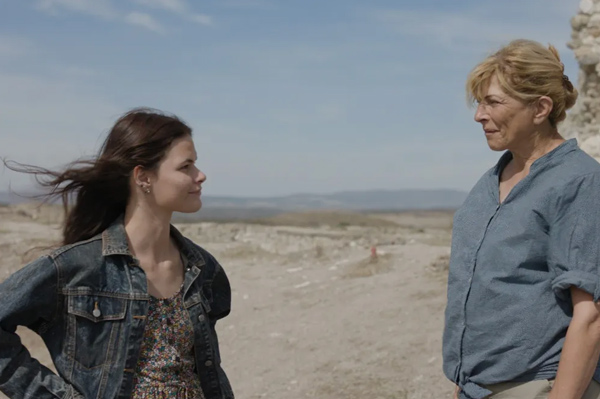
Eventually, Veska definitely does become involved, and only slowly, as menace builds, do we understand what she also survived at these ‘local’ parties from her youth. The only indication of an emotional spiral, however, is how she picks up smoking again, a potential alleviation of the mounting stress. She intervenes on behalf of several locals who are being targeted, for various reasons, by Ilya, including the young Maria (Denislava Yordanova), who insistently attends a party where danger seems inevitable. It’s the only real lively moment in The Dreamed Adventure, as Haddaway’s “What Is Love?” blasts over a flight to safety. “Not everything needs to be experienced,” Veska tells Maria, one of her reticent moments of vulnerability.
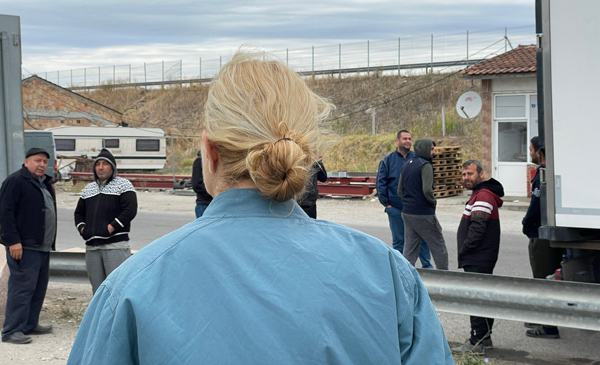

The Dreamed Adventure is, ultimately, not an easy or altogether conformable viewing experience. But Grisebach’s penchant for unfussy storytelling lulls us into such complacency with Veska that even the subtlest hints suggest the hard won comfort of the present is on the verge of crumbling at any minute. Perhaps the dreamed adventure is, rather troublingly, our ability to believe in stability or comfort because powers beyond our control can pull us into depths we pretend aren’t there.
Reviewed on May 23rd at the 2026 Cannes Film Festival (79th edition) – Competition. 164 Mins.
★★★½/☆☆☆☆☆