
Of Human Bondage: Hamaguchi Highlights Humanity in Quiet Drama

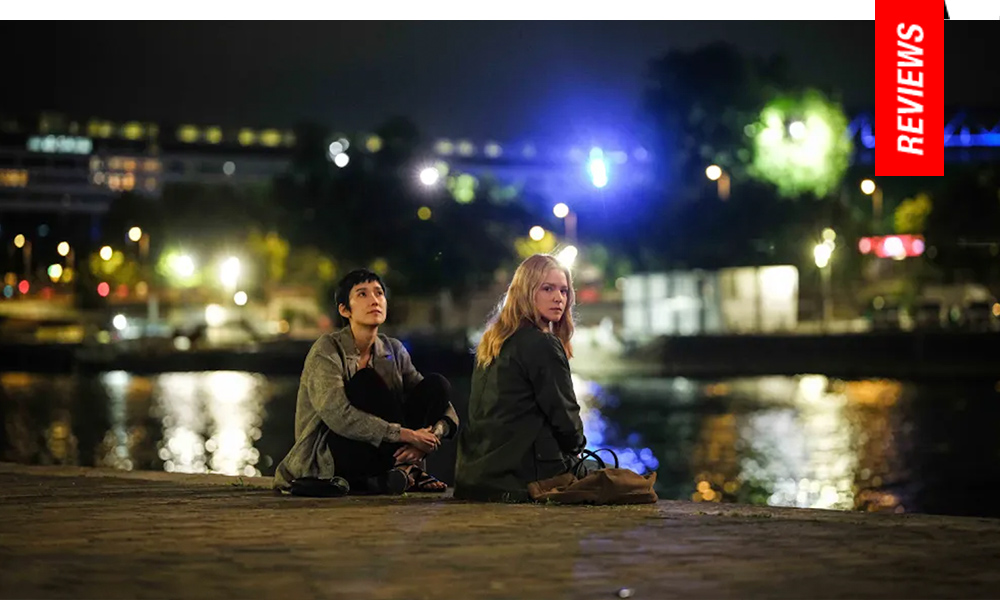
Mari-Lou (Efira) is the director of a flagship nursing home outside of Paris. She’s adopted an expensive new technique for her staff of care workers called ‘Humanitude,’ which exemplifies individual care for each client, which is sometimes painstaking. Proper training of the staff takes quite some time, but in order for the technique to work properly, everyone must be following the same protocol. Recent drama with the nursing staff, who feel the approach is actually more burdensome, could potentially jeopardize her position. Facing inevitable burn-out, a chance meeting with Mari (Tao Okamoto), a stage director currently on tour with a new play, leads to a swift, emotionally potent connection between the two women. Except Mari has Stage IV cancer.

There are similarities (beyond the running time) between All of a Sudden and Hamaguchi’s international breakout, the epic five-hour friendship drama Happy Hour, which charted the relationship between four distinct women. The intimate relationship between Mari-Lou and Mari never transcends beyond the platonic, but their chemistry building is as potent as any romantic entanglement one is apt to see. Essentially, their dynamic kind of resembles what’s going on between the Tilda Swinton and Julianne Moore characters in Pedro Almodovar’s The Room Next Door (2024), a dying friend assisted in her final days of life (except with much more tenderness).
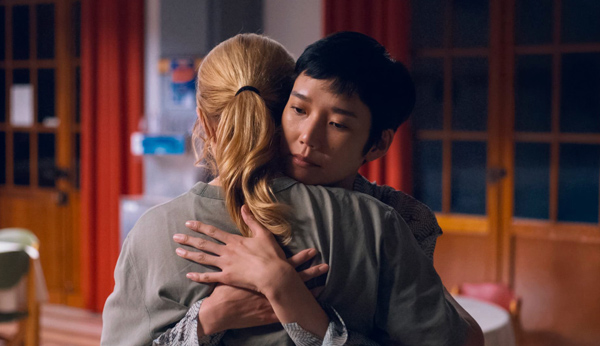

Hamaguchi’s film shines brightest between Efira and Okamato, where the film also becomes reminiscent of Mia Hansen-Love’s One Fine Morning (2022). Much care and deliberation are apparent in the daily operations of the Garden of Freedom nursing home as Mari-Lou battles budgets and bureaucracy to establish the success of the ‘Humanitude’ approach, which, as Mari points out, simply sounds like good old fashioned nurturing care. The conversations transpiring over their first twenty-four hour marathon ‘date’ could be utilized in an Economics 101 course as they deliberate the evolution of capitalism, and how, much to her surprise, Mari-Lou’s approach has made her a slave to the system. Instead, she’s motivated to ‘make the impossible possible.’
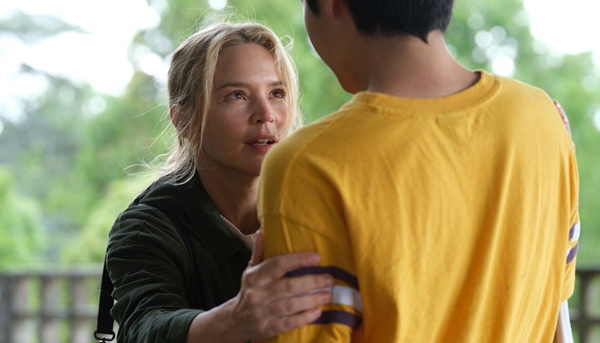
There’s little by way of dramatic tension, and much of the healthcare sequences play like a variety of French medical dramas populated by overly earnest characters determined to do the right thing. The closest we get is a welcome counter to Mari-Lou’s apparently unsinkable approach from a head nurse played by Marie Bunel, whose argumentative nature sometimes conceals the valid logistical concerns which deserve attention. Kyoto Nagatsuka is also a highlight as a Japanese actor who cares for his neurodivergent grandson Tomoki (Kodai Kurosaki), together building a cohesive alternative to Mari-Lou’s corporate stagnation. Composer Samuel Andreyev creates a score somehow simultaneously playful but sinister, underlining the importance of enjoying present moments because the future is never certain.
Reviewed on May 15th at the 2026 Cannes Film Festival (79th edition) – Competition. 196 Mins.
★★★½/☆☆☆☆☆